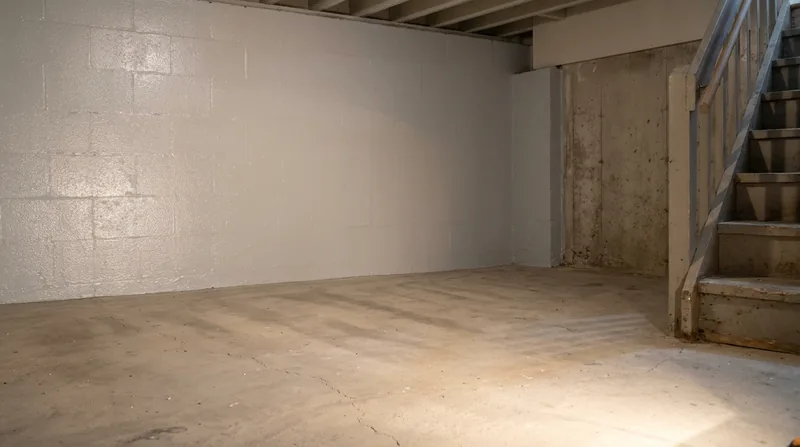




Free Basement Inspection in Appleton: A Straight Look at What Your Foundation Is Doing
Appleton sits on the bed of ancient glacial Lake Oshkosh, and that history shows up in every basement here. The red lake-bed clay under most of the city drains poorly and swells when it gets wet, which pushes water against foundations instead of letting it fall away. Add a high water table near the Fox River and the bluffs that send runoff downhill, and you get the call we take most often: water in the basement after a spring melt or a hard summer storm. A Free Basement Inspection in Appleton gives you a room-by-room read on what is actually happening below grade before you spend a dollar on repairs.
We walk your walls, floor, cracks, sump system, grading, and gutters with you. You get photos and a written explanation of what needs fixing now, what can wait, and a straight answer if nothing is wrong. If you want the broader picture of how we handle water problems, start with our basement waterproofing service in Appleton.
Why Appleton Basements Take on Water the Way They Do
The housing stock here tells the story. Victorian and Queen Anne homes near the City Park historic district and around Lawrence University sit on limestone and brick foundations that have been wicking moisture for a century. Paper-mill-era frame homes and bungalows on the Fox River flats and the north and east sides have full basements that were never designed for today's water table. Ranches and split-levels from the 1950s through the 1970s across Appleton sit on block basements with mortar joints that open up over decades of freeze-thaw. Newer two-story homes in Grand Chute, Greenville, and Harrison have poured walls, but the clay under them still holds water.
- Hydrostatic pressure builds against the wall when saturated clay cannot drain, and that is the single biggest driver of seepage we find.
- Efflorescence on block or brick is a mineral deposit left behind by water moving through the wall, and it is a reliable early warning sign.
- Drain tile and footing drains from the 1920s through the 1960s are often clay or collapsed, so they stop carrying water away from the footing.
- Sump pump failure shows up fast in a Fox River flats bungalow during a spring melt, and a dead pump turns a damp floor into standing water overnight.
- Grading and downspout extensions that dump roof water within a few feet of the foundation feed the same clay that is already swelling.
An inspection separates the cosmetic from the structural, so you know whether you are looking at a crack that needs sealing or a system that needs to be rebuilt.
Key info: A homeowner in Kimberly called us after every heavy rain because water ran across the basement floor from the cove joint, not through a visible crack. The inspection found a failed footing drain and a sump pit that was too shallow for the volume. That is a drainage problem, not a crack-sealing problem, and the two get priced very differently.
If you want to check local permit requirements before any structural work, the City of Appleton's building inspection department is the authority to call, and rules vary by jurisdiction.
How Our Appleton Basement Inspection Works, Step by Step
We do not sell from the doorway. The inspection is a diagnostic walkthrough, and you are with us the whole time. We start outside and work in, because most basement water starts at the grade line and the roof drainage, not at the wall itself. Expect about 45 to 90 minutes depending on the size and age of the house.
- We check the exterior grade, downspout discharge points, window wells, and any signs of settlement or ponding along the foundation.
- We inspect the basement walls for cracks, bowing, efflorescence, and moisture reading with a pin meter, room by room.
- We test the sump pump, check the check valve and discharge line, and confirm the basin is clear and correctly sized.
- We look at the floor, cove joint, and any interior drain tile or weeping tile that is visible or accessible.
- We photograph everything and write up what needs fixing now, what can wait, and what is normal for a house of that age.
You leave with a written scope, not a sales pitch, and you can take that scope to any contractor you choose.
Key info: On a 1920s bungalow off Wisconsin Avenue, the wall looked dry but the pin meter read high along the bottom course. The cause was a downspout that dumped into a buried clay tile right at the corner. Extending the discharge and regrading that corner solved it. No excavation, no injection, no drain tile. That is the kind of answer a free inspection is supposed to give you.
For homes where the diagnosis points to wall seepage rather than a drainage failure, we explain the options in detail on our basement wall sealing page.
Approaches We Evaluate During a Free Basement Inspection
Not every wet basement needs the same fix, and the inspection is where we sort that out. The table below shows the main approaches we weigh and when each one is the honest answer. We tell you when simple crack sealing is enough and when hydrostatic pressure means an interior drain tile system is the better call than exterior excavation.
| Approach | Description | Best for |
|---|---|---|
| Epoxy or polyurethane injection | Ported injection seals a poured-wall crack from the inside. | A single active crack with no widespread pressure |
| Interior perimeter drain with sump basin | Collects water at the cove joint and moves it to a sump pump. | Hydrostatic pressure along the footing, common on Fox River flats |
| Exterior waterproofing and footing drain | Membrane and dimple board against the wall, new drain at the footing. | Failed original drain tile, or a wall being excavated anyway |
| Sump pump replacement or battery backup | New pump, check valve, and discharge line sized to the inflow. | A working drain system with a dead or undersized pump |
| Grading, downspout, and window well correction | Moves roof and surface water away from the foundation. | Water entering at the top of the wall or through a window well |
The inspection is what tells us which row applies to your house, and we will say so plainly if the answer is the cheapest one.
Free Basement Inspection Cost in Appleton: What to Expect
The inspection itself costs nothing. That is not a teaser: there is no trip charge, no diagnostic fee, and no obligation to book any work afterward. What varies is the cost of the repairs the inspection identifies. A single crack that takes epoxy injection is a modest job. A full interior drain tile system with a new sump basin in a 1,200 square foot block basement is a different number entirely.
Several factors move the repair cost once we are on site. The age and material of the foundation matter, because limestone and brick behave differently from poured concrete. Access matters, especially in tight lots near Lawrence University where the foundation wall is a few feet from the property line. The extent of the water table problem matters, and so does whether the existing drain tile can be reused or has to be replaced. Getting two or three estimates on the same written scope is the smart move, and our inspection report is written so another contractor can bid from it.
For a fuller breakdown of how we price the work, see our pricing overview.
Free Basement Inspection Near Me: How to Choose a Contractor Near Appleton
You will find plenty of companies willing to look at your basement. The difference is in what they do with what they find. A dedicated basement waterproofing specialist reads the whole system, from the grade line to the footing drain, instead of selling one product. Here is what to confirm before you let anyone start work.
- Confirm the company is licensed and insured for foundation and drainage work in Wisconsin, and ask for a certificate of insurance before work begins.
- Get two or three written estimates on the same scope so you are comparing the same job, not three different sales pitches.
- Ask for local references from Appleton, Neenah, or Menasha homes built in the same era as yours.
- Ask who pulls the permit when structural foundation repair, egress window cutting, or a change to the sump discharge connection is involved, and confirm the local building department's rules.
- Check whether your neighborhood or subdivision has HOA requirements that affect exterior excavation or discharge routing.
We are a Basement Health Association member, and we put our findings in writing so you can compare them line by line. If you are ready to schedule, reach us through our contact page or call (920) 280-6479.
Homeowners in Grand Chute with newer poured walls often assume they are immune to this. They are not. The clay under a 2005 two-story in Grand Chute holds water just as well as the clay under an 1890s home near the river, and the fix is often a sump and discharge correction rather than a wall repair. Our Grand Chute inspection page covers that pattern in more detail.
Free Basement Inspection in Appleton: Pricing Guide
| Service | Price | Details |
|---|---|---|
| Free basement inspection | Free | Room-by-room walkthrough with photos, moisture readings, sump test, and written findings at no charge. |
| Crack injection (epoxy or polyurethane) | Starting at $350 | Ported injection for a single poured-wall crack, priced by crack length and access. |
| Interior drain tile system | On estimate | Perimeter drain, sump basin, and pump sized to the basement footprint and water table. |
| Sump pump replacement | Starting at $650 | New pump, check valve, and discharge line, with battery backup options quoted separately. |
| Travel | Included | in Appleton and surrounding Fox Cities communities, no separate call-out or mileage fee. |
| Estimate | Free | Written scope delivered after the inspection, response within 24 hours at (920) 280-6479. |
Indicative pricing, the exact cost depends on square footage, finish, and site access. Free personalized estimate within 24h at (920) 280-6479.


